The Role of Technology in Modern Restaurant Menus
The Role of Technology in Modern Restaurant Menus
Introduction
Technology has transformed nearly every industry, and the food business is no exception. Modern restaurants are now using advanced tools to improve efficiency, enhance customer experience, and boost sales. One of the most noticeable changes is the evolution of the restaurant menu.
From printed cards to interactive digital platforms, technology has completely reshaped how menus are created and used.
Evolution of Restaurant Menus
Traditional paper menus were once the standard in every restaurant. While they served their purpose, they had several limitations such as high printing costs, lack of flexibility, and outdated information.
With the rise of technology, menus have evolved into:
- Digital menus
- QR code menus
- Tablet-based menus
- Online ordering systems
This shift has made menus more dynamic and user-friendly.
Key Technologies Used in Modern Menus
1. QR Code Technology
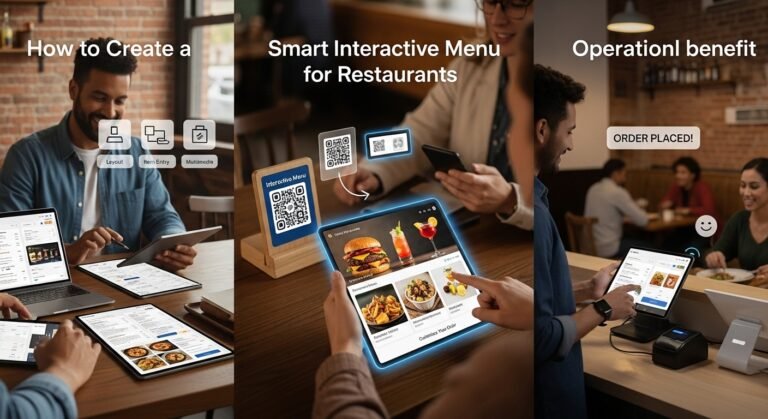
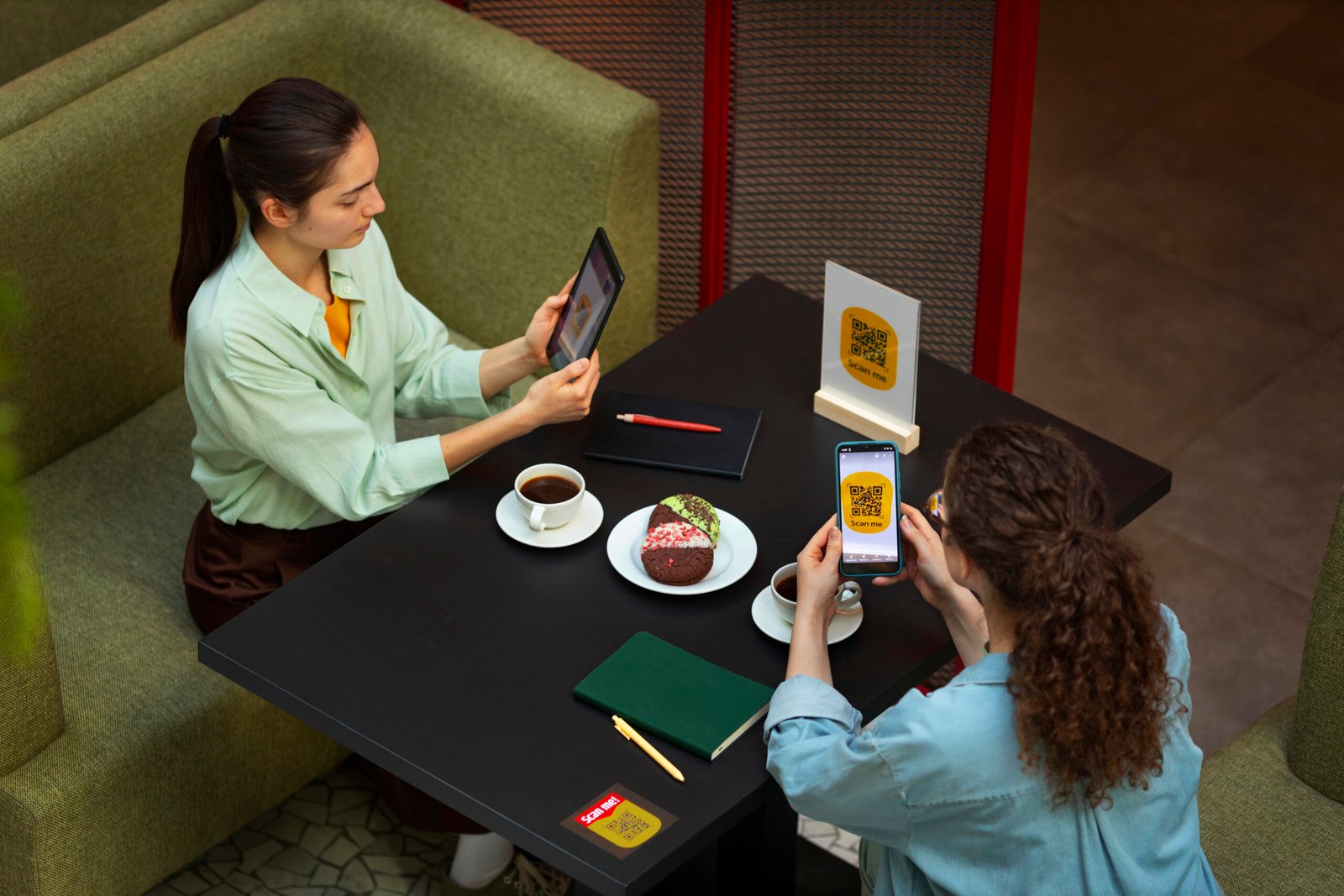
QR codes allow customers to instantly access menus on their smartphones. This eliminates the need for physical menus and creates a contactless experience.
2. Cloud-Based Menu Management
Restaurants can now manage their menus through cloud platforms, making it easy to update items, prices, and availability in real time.
3. Mobile Optimization
Modern menus are designed to work smoothly on mobile devices, ensuring a seamless experience for users.
4. Artificial Intelligence (AI)
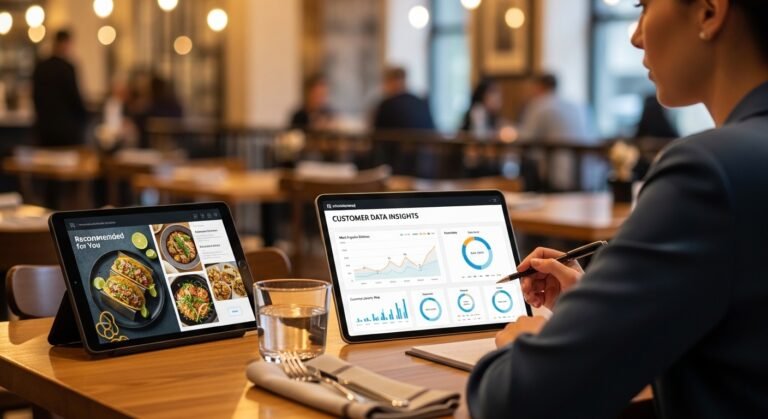
AI-powered systems can recommend dishes based on customer preferences, increasing engagement and sales.
5. Integration with POS Systems
Menus can be connected to Point of Sale (POS) systems, allowing for faster and more accurate order processing.
Benefits of Technology in Restaurant Menus
Improved Customer Experience
Digital menus are faster, more interactive, and easier to use, making the dining experience more enjoyable.
Real-Time Updates
Restaurants can instantly update menu items, prices, and availability without reprinting.
Cost Efficiency
Technology reduces printing and design costs, saving money in the long run.
Increased Sales
Visual elements, recommendations, and upselling features help boost revenue.
Better Data Insights
Restaurants can track customer behavior, popular items, and trends to make better business decisions.
Challenges of Using Technology
Technical Issues
System errors or slow internet can affect performance.
Solution: Invest in reliable systems and strong connectivity.
Learning Curve
Some staff and customers may need time to adapt.
Solution: Provide simple instructions and support.
Future of Restaurant Menus
The future of restaurant menus lies in innovation. We can expect:
- Voice-enabled ordering
- Augmented reality (AR) food previews
- Personalized menu experiences
- Fully automated ordering systems
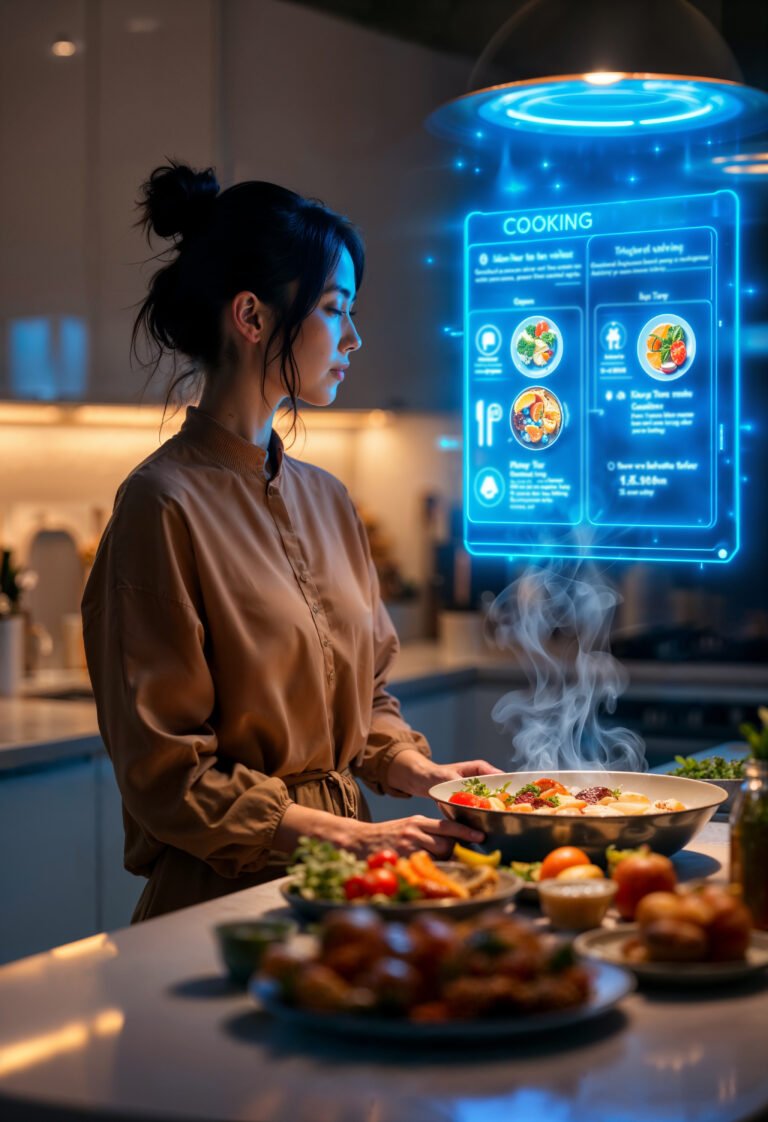
Technology will continue to make dining faster, smarter, and more engaging.
Conclusion
Technology plays a vital role in modern restaurant menus, transforming them into powerful tools for business growth. From improving customer experience to increasing efficiency, the impact is undeniable.
Restaurants that embrace technology will not only meet customer expectations but also stay ahead in a competitive market.