Restaurant Menu Color Psychology for Better Menu Design
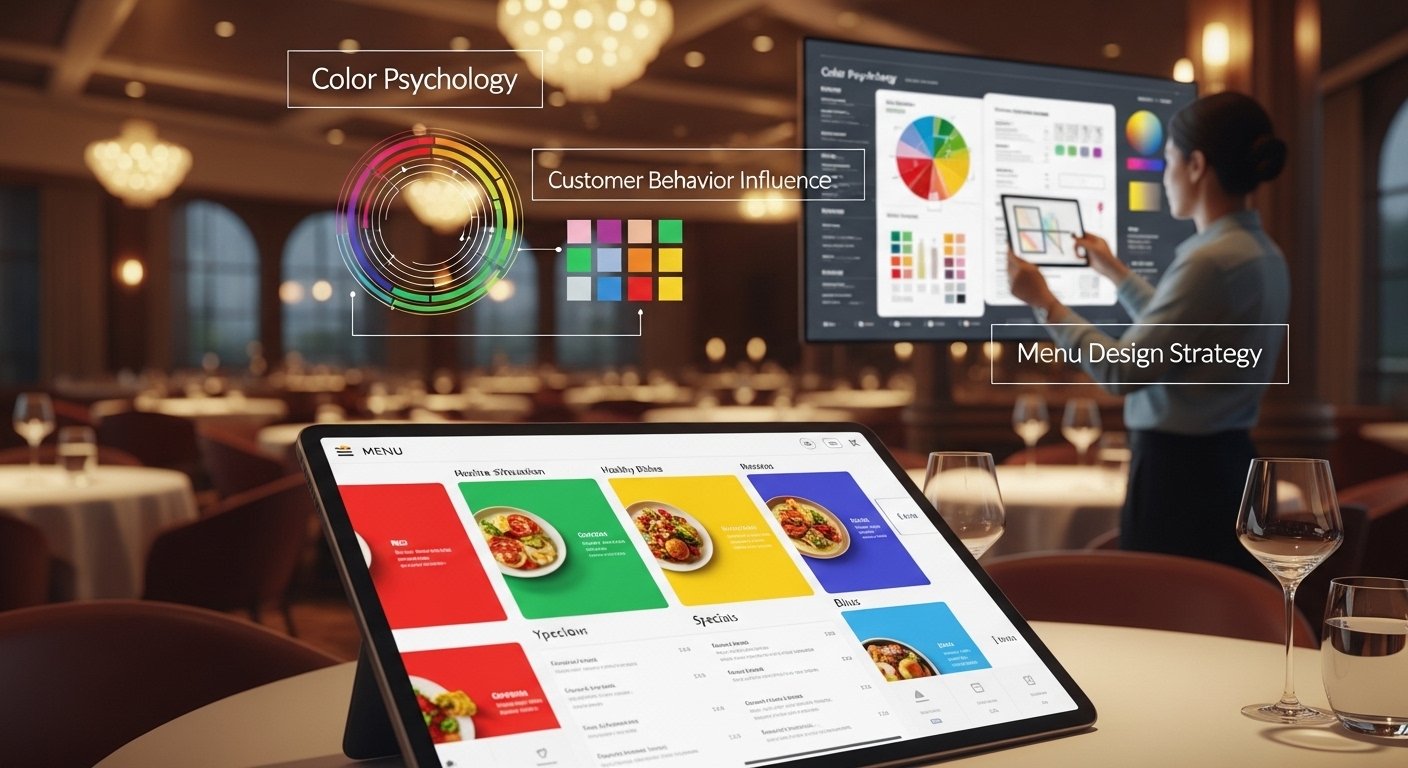
In the restaurant industry, design plays a very powerful role in influencing customer decisions. One of the most important yet often overlooked aspects is color psychology. The way colors are used in a menu can directly affect customer behavior, emotions, and even ordering decisions. This is where restaurant menu color psychology becomes extremely important for business success.
A well-designed menu is not just about listing food items; it is about creating an experience that encourages customers to order more and feel satisfied. In this article, we will explore how restaurant menu color psychology works and how restaurants can use it effectively to increase sales.
What is Restaurant Menu Color Psychology?
restaurant menu color psychology refers to the study of how colors influence customer emotions and decisions when viewing a restaurant menu. Different colors create different psychological effects, which can impact what customers choose to order.
For example:
- Red increases appetite
- Blue reduces hunger but adds trust
- Yellow creates excitement
- Green represents freshness
Understanding restaurant menu color psychology helps restaurant owners design menus that are more persuasive and visually appealing.
Why Color Psychology Matters in Menu Design
Colors are the first thing customers notice when they open a menu. Within seconds, their brain reacts emotionally. That is why restaurant menu color psychology plays a critical role in influencing decisions.
Here’s why it matters:
- It attracts customer attention
- It increases food appeal
- It improves brand identity
- It boosts sales and conversions
A strong understanding of restaurant menu color psychology can significantly improve restaurant performance.
Red Color and Its Effect on Appetite
Red is one of the most commonly used colors in the food industry. It is known to stimulate appetite and create urgency.
In restaurant menu color psychology, red is often used for:
- Highlighting special deals
- Drawing attention to best-selling items
- Creating excitement
However, too much red can feel overwhelming, so it should be used carefully.
Yellow and Orange for Energy and Happiness
Yellow and orange are warm colors that create a friendly and welcoming feeling. These colors are widely used in restaurant menu color psychology because they:
- Increase feelings of happiness
- Encourage impulse buying
- Create a casual dining atmosphere
Fast-food restaurants often use these colors to attract quick decisions.
Green for Freshness and Healthy Food
Green is associated with nature, health, and freshness. In restaurant menu color psychology, green is commonly used for:
- Vegan or vegetarian items
- Healthy food sections
- Organic ingredients
Customers often associate green with healthy choices, making it a powerful design element.
Blue and Its Psychological Impact
Blue is a calming color, but it is not commonly used in food marketing because it can reduce appetite. However, in restaurant menu color psychology, blue is useful for:
- Creating trust
- Highlighting premium branding
- Giving a modern look
It should be used strategically rather than heavily.
Black and Luxury Feel in Menu Design
Black represents elegance, luxury, and premium quality. Many high-end restaurants use black in their menus.
In restaurant menu color psychology, black is used to:
- Highlight premium dishes
- Create a luxury dining experience
- Improve readability when paired with gold or white text
This makes the menu look sophisticated and expensive.
White Space and Simplicity
White is not just a color; it is a design element that creates clarity. In restaurant menu color psychology, white space helps:
- Improve readability
- Reduce visual clutter
- Focus attention on food items
A clean design improves customer decision-making.
How Colors Influence Buying Decisions
Colors directly impact how customers behave. A strong understanding of restaurant menu color psychology helps restaurants:
- Increase order value
- Guide customers toward profitable items
- Improve upselling success
- Enhance emotional connection with food
Color choices can even change how expensive or affordable a dish feels.
Combining Colors for Better Results
A successful menu design does not rely on one color. Instead, it uses combinations. restaurant menu color psychology suggests using:
- Red + Yellow for fast food
- Green + White for healthy menus
- Black + Gold for luxury restaurants
Balanced combinations improve user experience and increase engagement.
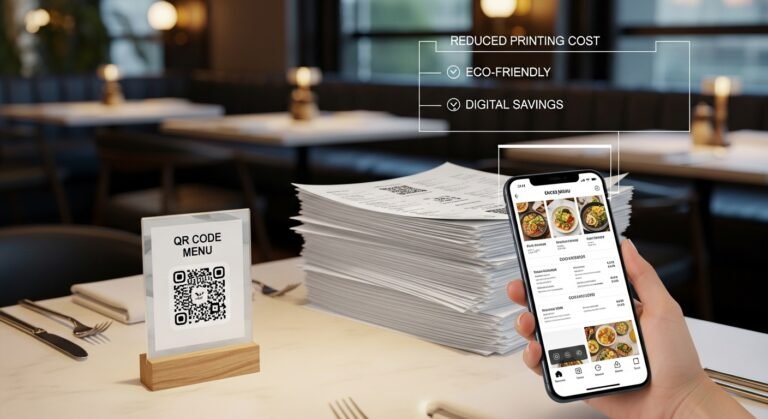
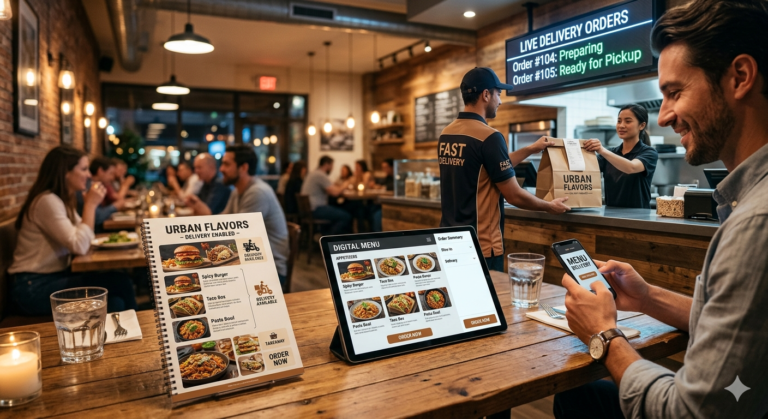
Role of Digital Menus in Color Psychology
With the rise of digital menus, restaurant menu color psychology has become even more powerful. Digital menus allow:
- Dynamic color changes
- Highlighting based on customer behavior
- Seasonal color themes
This flexibility makes modern menus more effective than traditional printed ones.
Common Mistakes in Color Usage
Many restaurants fail in menu design because they misuse colors. Common mistakes include:
- Using too many bright colors
- Poor contrast between text and background
- Ignoring brand consistency
- Overcomplicating the design
Avoiding these mistakes ensures better application of restaurant menu color psychology.
Future of Color Psychology in Restaurants
The future of restaurant menu color psychology is evolving with AI and data analytics. Soon, menus will automatically adjust colors based on:
- Customer preferences
- Time of day
- Seasonal trends
This will make restaurant marketing more personalized and effective.
Conclusion
In the modern restaurant industry, design is just as important as food quality. restaurant menu color psychology plays a powerful role in influencing customer behavior, increasing sales, and improving brand perception.
By using the right colors strategically, restaurants can guide customer decisions and create a more engaging dining experience. Whether it’s red for appetite stimulation or green for healthy options, every color has a purpose.
Understanding and applying restaurant menu color psychology can transform a simple menu into a powerful sales tool.
FAQs
1. What is restaurant menu color psychology?
restaurant menu color psychology is the study of how colors influence customer emotions and food choices in menu design.
2. Why is color important in menu design?
Colors affect customer emotions and can increase or decrease appetite, making restaurant menu color psychology very important.
3. Which color is best for restaurant menus?
Red, yellow, and green are commonly used in restaurant menu color psychology because they influence appetite and emotions.
4. Can digital menus use color psychology effectively?
Yes, digital menus can easily apply restaurant menu color psychology with flexible design and dynamic updates.