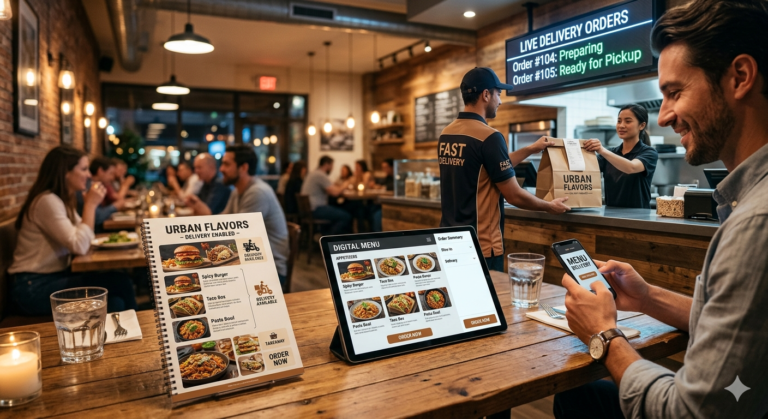
How to Optimize Your Menu for SEO
How to Optimize Your Menu for SEO
Introduction
In today’s digital world, simply having an online menu is not enough—you need to make sure people can find it easily on search engines. That’s where SEO (Search Engine Optimization) comes in.
By optimizing your menu for SEO, you can attract more customers, increase visibility, and boost your restaurant’s online presence.
What is Menu SEO?
Menu SEO is the process of optimizing your online or digital menu so it ranks higher on search engines like Google. This helps potential customers discover your restaurant when searching for food or dining options.
Why SEO for Menus is Important
- Increases online visibility
- Attracts more local customers
- Drives more traffic to your website
- Boosts orders and reservations
- Improves overall business growth
Step-by-Step Guide to Optimize Your Menu for SEO
1. Use Relevant Keywords
Include keywords that customers are searching for, such as:
- “best pizza in [city]”
- “affordable restaurant menu”
- “online food menu”
Use these keywords naturally in item names, descriptions, and headings.
2. Optimize Menu Titles and Headings
Use clear and keyword-rich headings like:
- “Our Menu”
- “Best Burgers Menu”
- “Affordable Lunch Menu”
This helps search engines understand your content better.
3. Write SEO-Friendly Descriptions
Each menu item should have a short description that includes relevant keywords while staying natural and engaging.
4. Add Alt Text to Images
When you upload images, include descriptive alt text such as:
- “grilled chicken burger with cheese”
- “fresh vegetable salad bowl”
This helps your images rank in search results.
5. Optimize for Mobile Devices
A mobile-friendly menu is essential for SEO since most users browse on smartphones.
6. Improve Page Loading Speed
Fast-loading menus rank better on search engines and provide a better user experience.
7. Use Local SEO Strategies
Include your location in your content, such as:
- City name
- Area or neighborhood
This helps attract nearby customers.
8. Add Structured Data (Schema Markup)
Use schema markup to help search engines understand your menu content, including prices, ratings, and items.
9. Create a Dedicated Menu Page
Instead of uploading a PDF, create a proper web page for your menu. This makes it easier for search engines to index your content.
10. Update Your Menu Regularly
Fresh content signals search engines that your website is active and relevant.
Common SEO Mistakes to Avoid
- Using images without text content
- Uploading menus as PDFs only
- Keyword stuffing
- Slow website speed
- Ignoring mobile optimization
Pro Tips for Better Results
- Use internal links within your website
- Add customer reviews and ratings
- Share your menu on social media
- Use Google Business profile for visibility
Conclusion
Optimizing your menu for SEO is a powerful way to attract more customers and grow your restaurant business. By using the right keywords, improving user experience, and focusing on local SEO, you can significantly increase your online visibility.
Start optimizing your menu today and turn your online presence into a customer-generating machine.