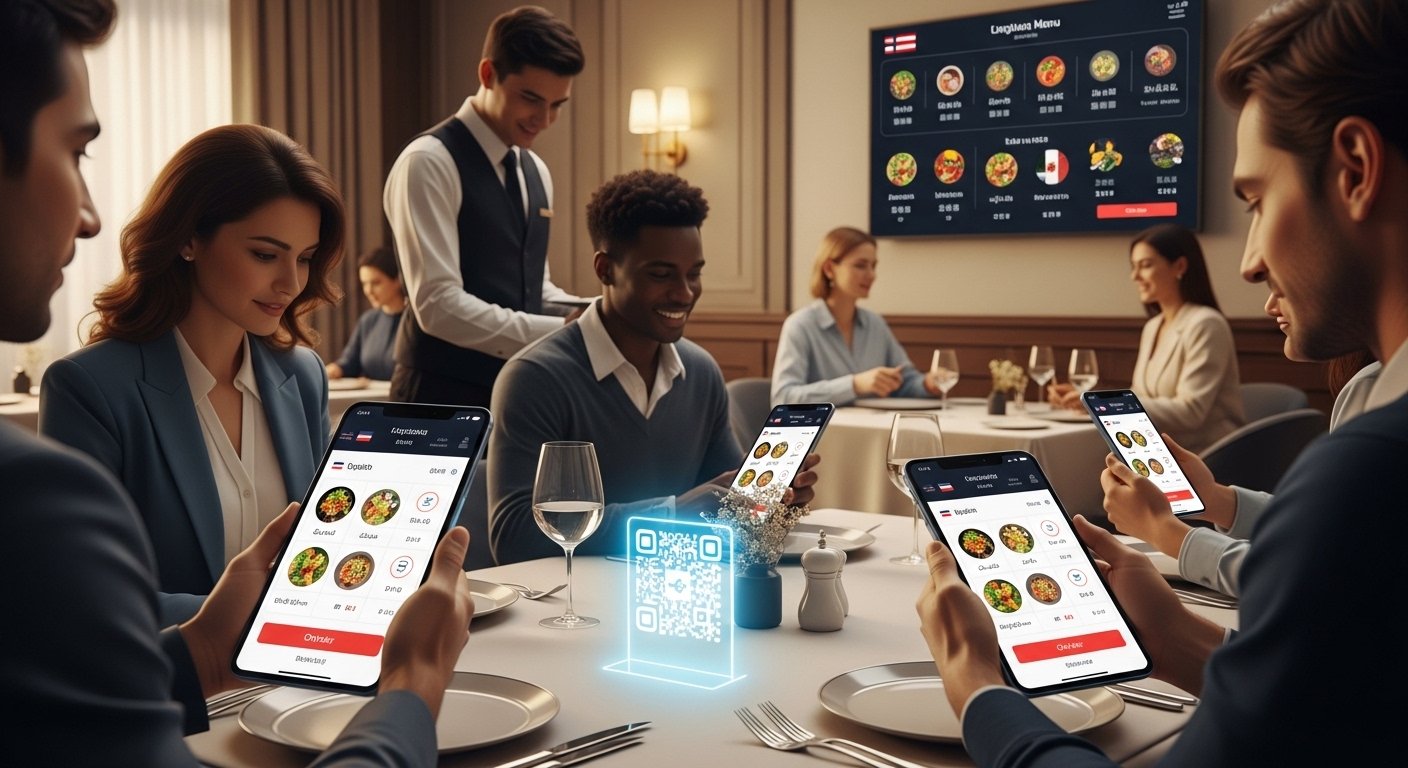
Multilingual Digital Menu for Restaurants and Tourists
In today’s global travel and dining industry, restaurants are no longer serving only local customers. Tourists from different countries visit restaurants every day, and language barriers often become a major challenge. To solve this problem, technology has introduced a powerful solution known as Multilingual Digital Menu.
A Multilingual Digital Menu allows restaurants to display their menu in multiple languages, making it easier for international customers to understand food items, prices, and offers. This not only improves customer experience but also increases sales and brand reputation.
In this article, we will explore how a Multilingual Digital Menu works, its benefits, and how restaurants can use it effectively to attract tourists and grow their business.
What is a Multilingual Digital Menu?
A Multilingual Digital Menu is a digital restaurant menu that supports multiple languages. Customers can switch between languages such as English, Urdu, Arabic, Chinese, French, and more depending on their preference.
It is usually accessible through:
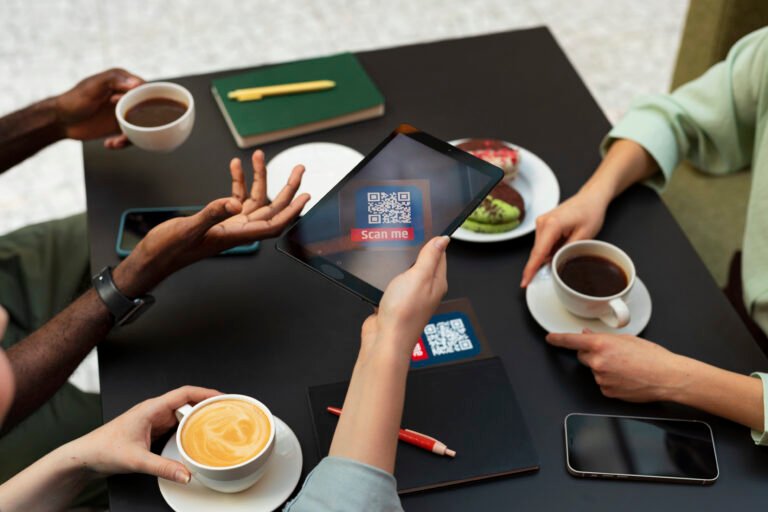
- QR code menu systems
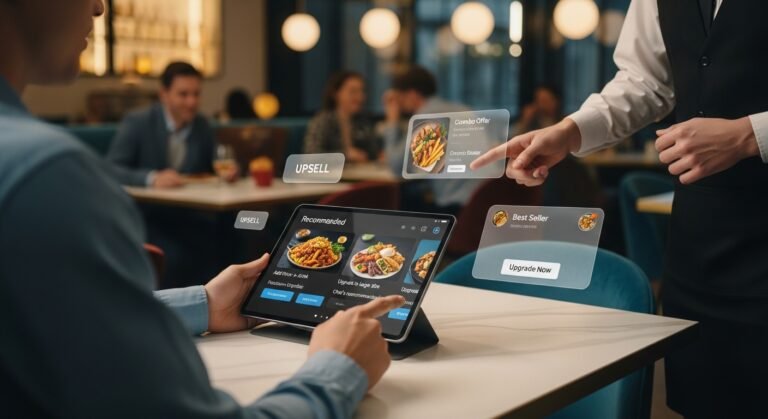
- Tablets in restaurants
- Mobile apps
- Online ordering platforms
This makes it a key part of modern international digital menu system technology.
Why Multilingual Menus Are Important for Restaurants
1. Helps Tourists Understand the Menu
A Multilingual Digital Menu removes language barriers for tourists, allowing them to easily understand food options.
2. Increases Customer Satisfaction
When customers can read the menu in their own language, they feel more comfortable and satisfied.
3. Boosts Sales
Clear understanding of menu items leads to better ordering decisions, increasing overall sales.
4. Improves Restaurant Reputation
Offering a tourist-friendly restaurant menu shows professionalism and global service standards.
How Multilingual Digital Menu Works
A Multilingual Digital Menu uses digital technology to translate menu content into multiple languages. Customers simply select their preferred language from the menu interface.
This system is often integrated with:
- AI translation tools
- QR code systems
- Smart menu platforms
It is a core feature of modern language-friendly restaurant menu solutions.
Key Features of Multilingual Digital Menu
1. Language Switching Option
Customers can switch languages instantly with one click.
2. High-Quality Images and Descriptions
Each dish is shown with images and translated descriptions for better understanding.
3. QR Code Access
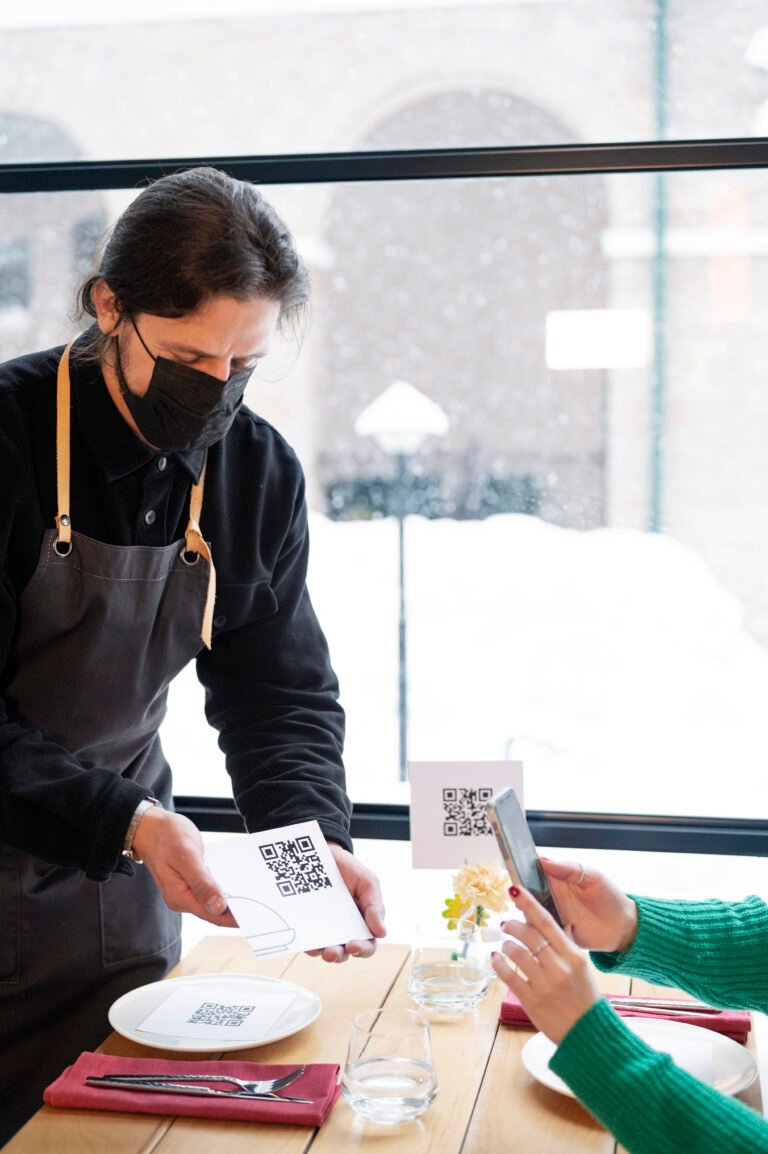
A QR code multilingual menu allows tourists to scan and view the menu instantly.
4. Real-Time Updates
Restaurants can update prices, items, and translations instantly.
5. AI-Based Translation
Advanced systems use AI to ensure accurate and natural translations.
Benefits of Multilingual Digital Menu for Restaurants
1. Attracts International Tourists
A Multilingual Digital Menu makes restaurants more accessible to global customers.
2. Improves Ordering Accuracy
When customers understand the menu clearly, ordering mistakes are reduced.
3. Enhances Customer Experience
Tourists feel more comfortable using a digital menu for tourists that speaks their language.
4. Increases Revenue
Better understanding leads to more confident ordering, which increases sales.
5. Competitive Advantage
Restaurants using a Multilingual Digital Menu stand out from competitors.
How to Create a Multilingual Digital Menu
Step 1: Choose a Digital Menu Platform
Select a system that supports multiple languages and supports international digital menu system features.
Step 2: Add Menu Items
Upload food items with descriptions, prices, and images.
Step 3: Add Language Options
Translate your menu into multiple languages based on your target audience.
Step 4: Integrate QR Code
Generate QR codes so customers can easily access the Multilingual Digital Menu.
Step 5: Test the System
Make sure all languages display correctly and the system works smoothly.
Role of Technology in Multilingual Menus
Modern restaurants use advanced technology like AI and cloud systems to power Multilingual Digital Menu solutions.
These technologies help in:
- Accurate translations
- Real-time updates
- Better user experience
It is also a part of modern language-friendly restaurant menu systems.
Why Tourists Prefer Multilingual Menus
Tourists prefer restaurants that offer a Multilingual Digital Menu because:
- They can understand food easily
- They feel more comfortable ordering
- It reduces confusion and mistakes
- It improves overall dining experience
This is why many restaurants are adopting tourist-friendly restaurant menu solutions worldwide.
Future of Multilingual Digital Menus
The future of dining is fully digital and multilingual. Soon, Multilingual Digital Menu systems will include:
- Voice translation
- AI recommendation in native language
- Real-time language detection
Restaurants using advanced QR code multilingual menu systems will have a strong advantage in the global market.
Conclusion
A Multilingual Digital Menu is a powerful tool for modern restaurants that want to attract international customers and improve user experience. It removes language barriers, increases sales, and enhances brand reputation.
By using a digital menu for tourists, restaurants can become more accessible and globally competitive. With the rise of digital technology, having a Multilingual Digital Menu is no longer optional—it is essential for success in the modern restaurant industry.
FAQs
1. What is a Multilingual Digital Menu?
A Multilingual Digital Menu is a restaurant menu available in multiple languages to help customers understand food items easily.
2. How does a multilingual menu help tourists?
It allows tourists to read and understand food items in their own language, improving their dining experience.
3. Is QR code important for multilingual menus?
Yes, a QR code multilingual menu makes it easy for customers to access the menu instantly.
4. Can small restaurants use multilingual digital menus?
Yes, even small restaurants can benefit from a Multilingual Digital Menu to attract international customers and increase sales.